Sustainability Claims in Digital Agriculture: A Qualitative Framework to Understand Sustainability Claims in Developing and Using Digital Tools to foster Sustainable Practices in Agriculture
Project:
Research
Project status
Finished
Description
Digital Agriculture aims to transform how we grow food. By collecting and analyzing real-time data on plant life, these innovations promise to help farmers make more informed decisions about water usage, fertilizers, and pesticides, ultimately leading to more sustainable farming practices. But how are these promises translating into reality? Usually answered quantitatively, DIGIPHYT takes a different approach to this question. The project develops an in-depth qualitative research that explores the relationship between sustainability claims and sustainable practices in technology-assisted plant cultivation. Using ethnographic and video-based methods, I observe specific digital agriculture innovations in action by documenting the daily activities of both developers and users, aiming to understand how humans, plants, and digital devices interact to create sustainable agricultural practices. To that effect, I aim to move from claims to practices - I take sustainability promises seriously and examine how participants define sustainability, as well as their efforts to develop sustainable practices in real-world settings. In studying those practices, I also aim to pay attention to all contributors , by documenting the active roles of often-overlooked non-human participants—plants and devices—in efforts to create sustainable outcomes. More info at [email protected].
News
Company Lab and Swiss agronomic station.
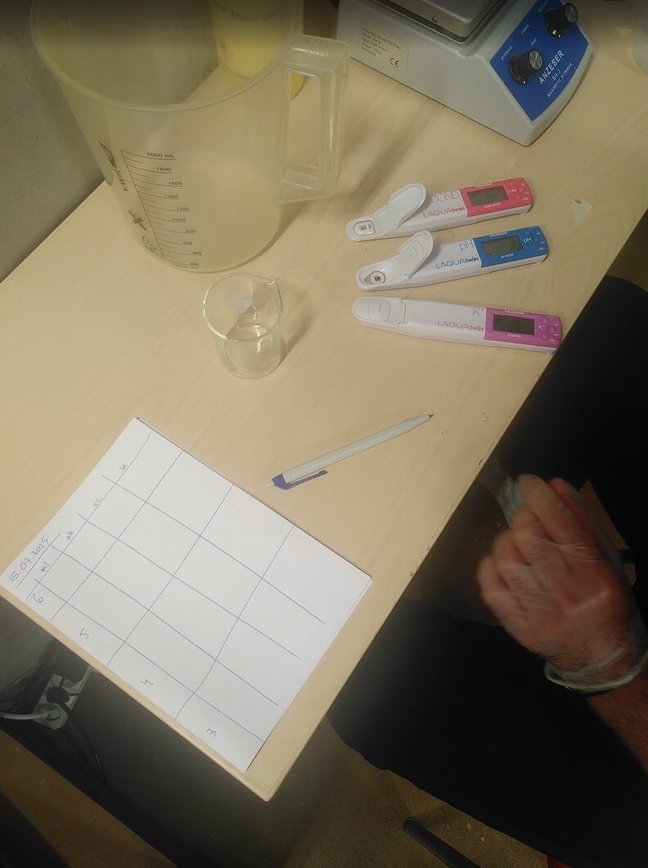
Company Lab, 2025. Behind every automated model, there is manual groundwork. Traditional lab equipment and hands-on measurements are used to generate the reference data that allows sensors to correctly interpret and label what they record. 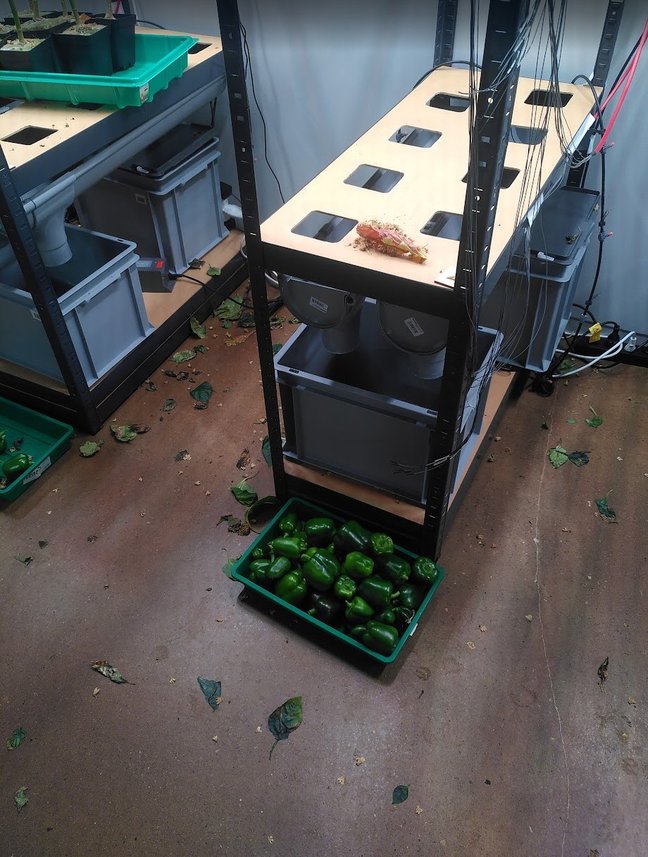
Company lab, 2025. After the experiment, peppers are harvested, a routine moment that punctuates the research process. 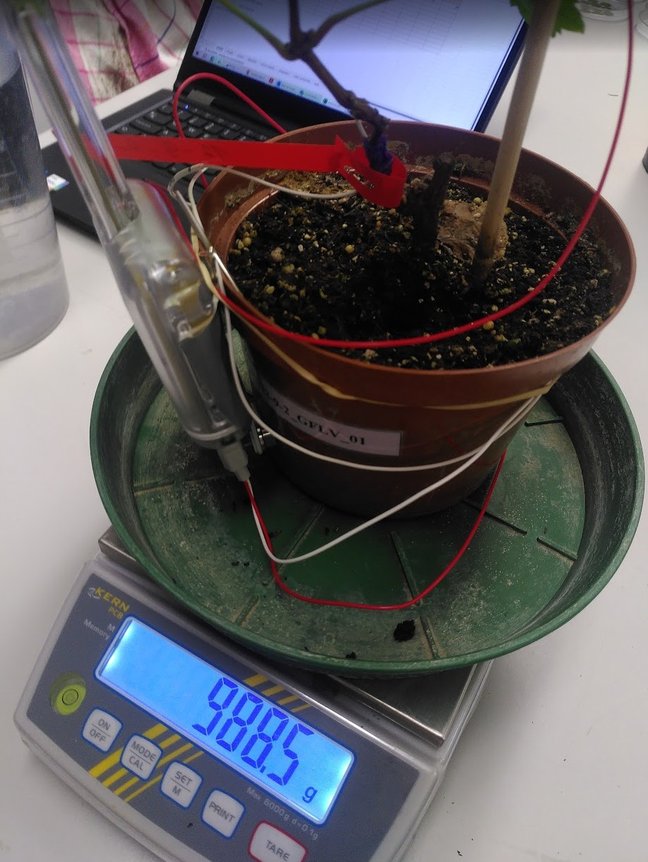
Swiss agronomic station, August 2025. In lab experiments, plants are weighed before and after watering, a simple but precise measure that helps calibrate how sensors interpret water uptake and track plant hydration over time. 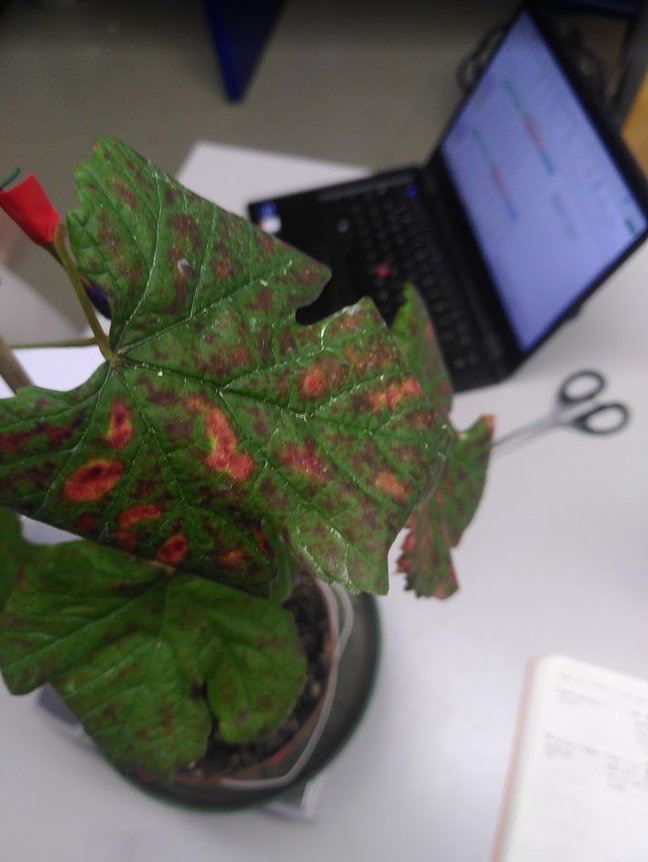
A plant experimentally inoculated with disease: a controlled case that allows researchers to train sensors to detect and recognize stress signals before they appear in the field. 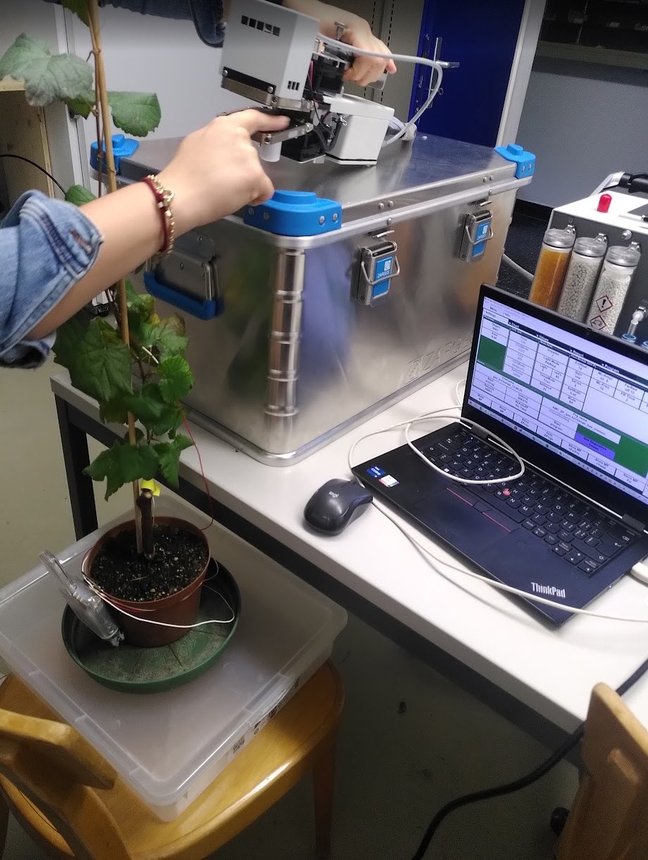
Swiss agronomic station, August 2025. A specialized instrument measures photosynthesis activity directly, providing the kind of precise data needed to develop models.
Highlights
Swiss vineyard fieldwork
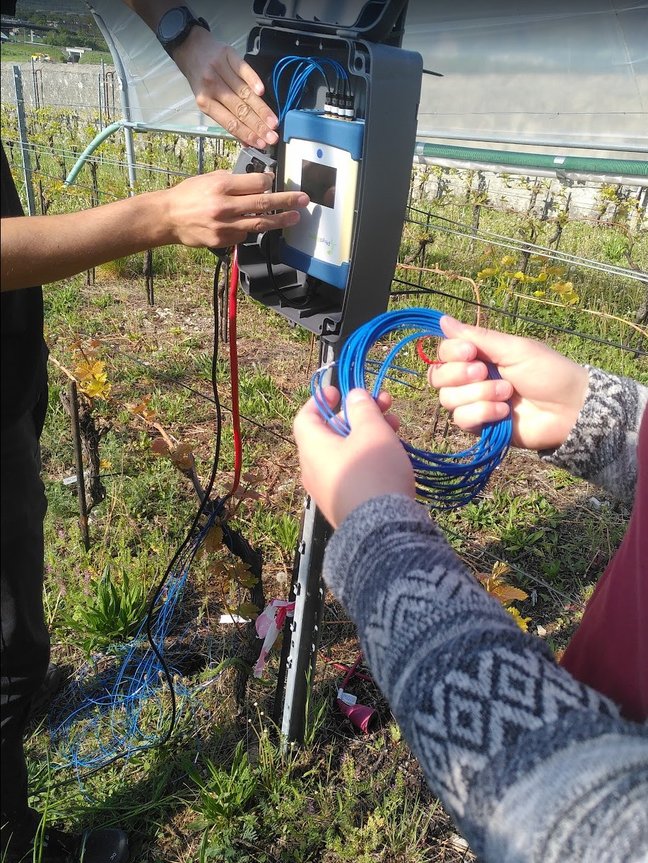
In a Swiss vineyard in March 2025, before any readings are collected, sensors have to be installed in the field. Here, two people make sure the cables are properly connected to the device. A modest step, but an important one: understanding who installs the equipment, and when, reveals how much care devices require, just like the plants they monitor. 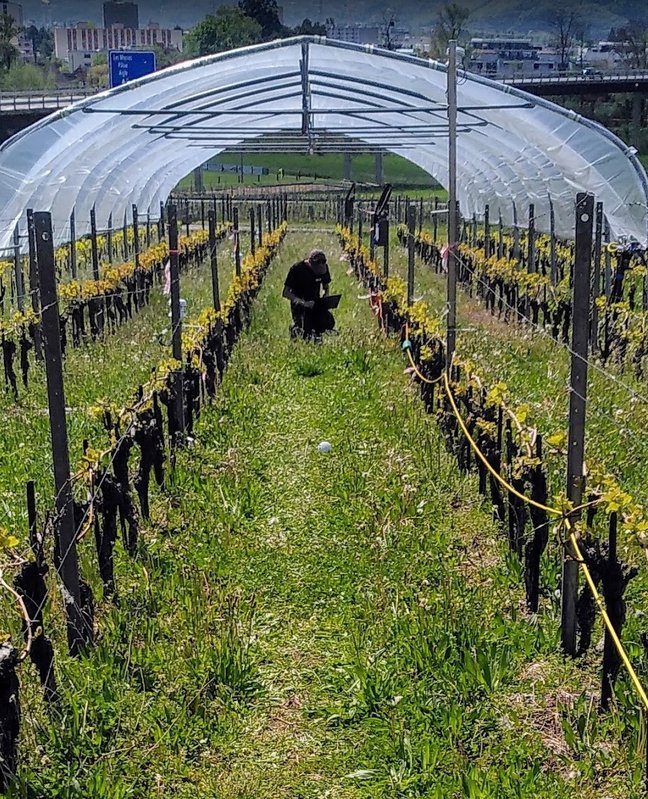
Once the device is installed, a laptop is used on-site to verify that everything is working properly, including the internet connection that allows the sensor to continuously send data back for analysis. A reminder that the technology behind monitoring depends as much on human checking and infrastructure as it does on the sensors themselves. 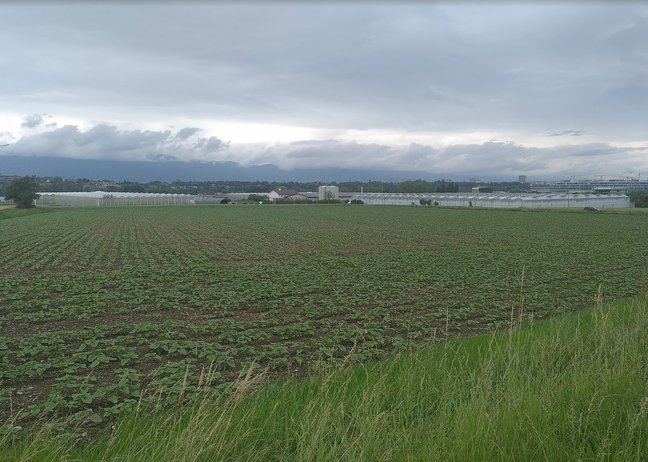
Sensors don't only need to work technically: they need to work for the people using them. In the greenhouses shown here, a grower tests the devices in their own working environment, ensuring the technology fits their practices and meets their actual needs.
Events
Visit to the Cambridge University Botanical Garden, Padua Botanical Garden (oldest botanical garden in EU) and Aarhus Botanical Garden.
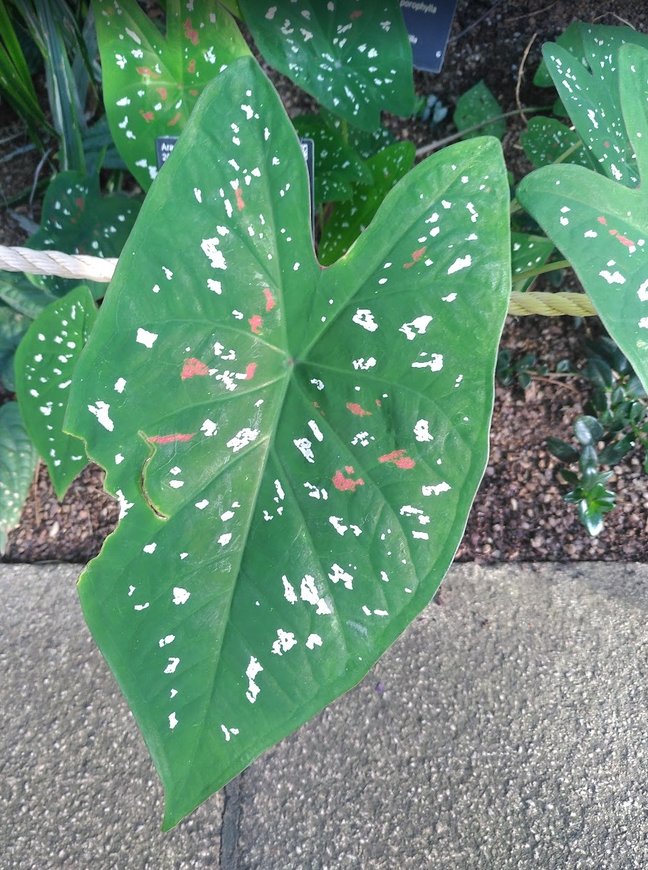
Event, Visit to the Cambridge U botanical garden 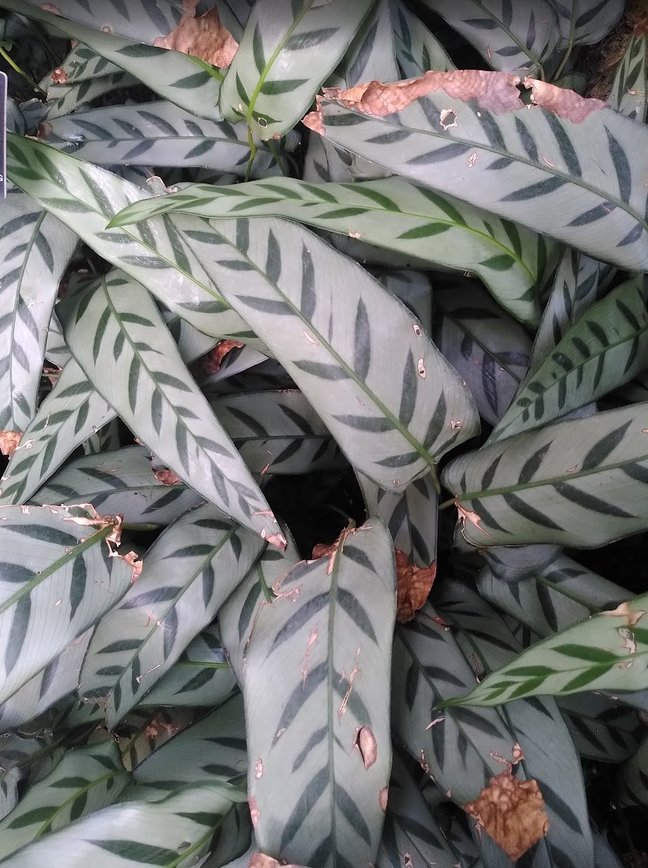
Event, Visit to the Cambridge U botanical garden 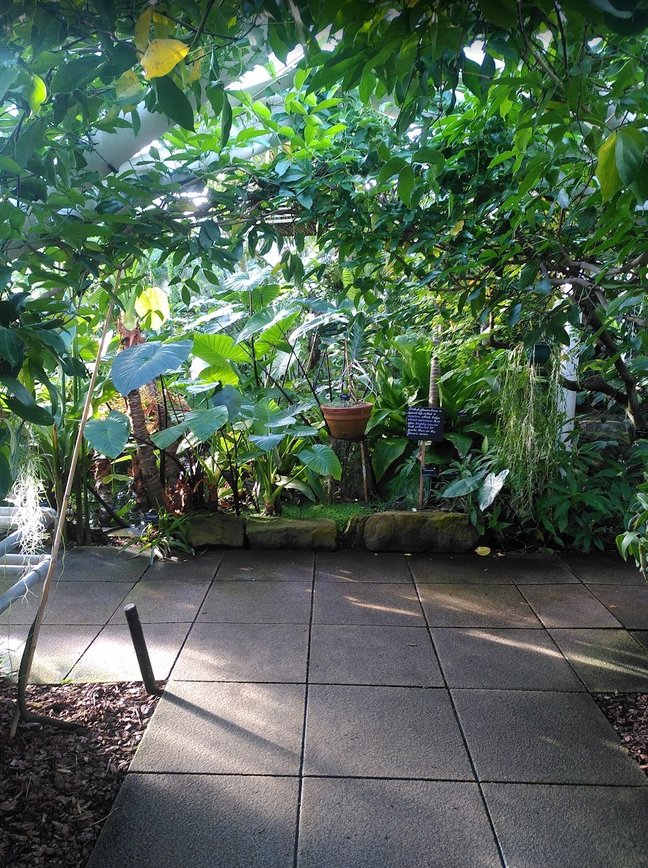
Event, Visit to the Cambridge U botanical garden 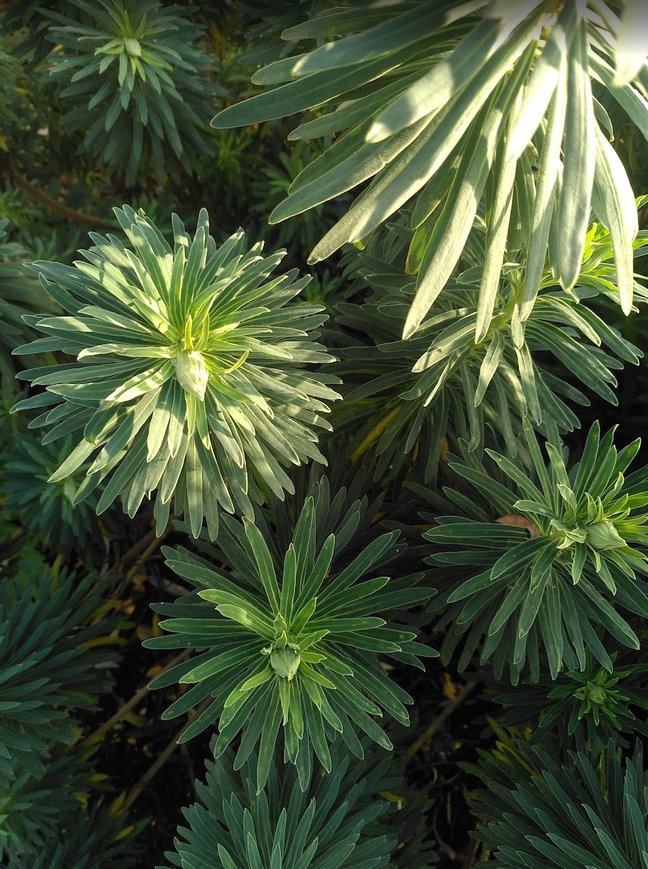
Event, Visit to the Cambridge U botanical garden 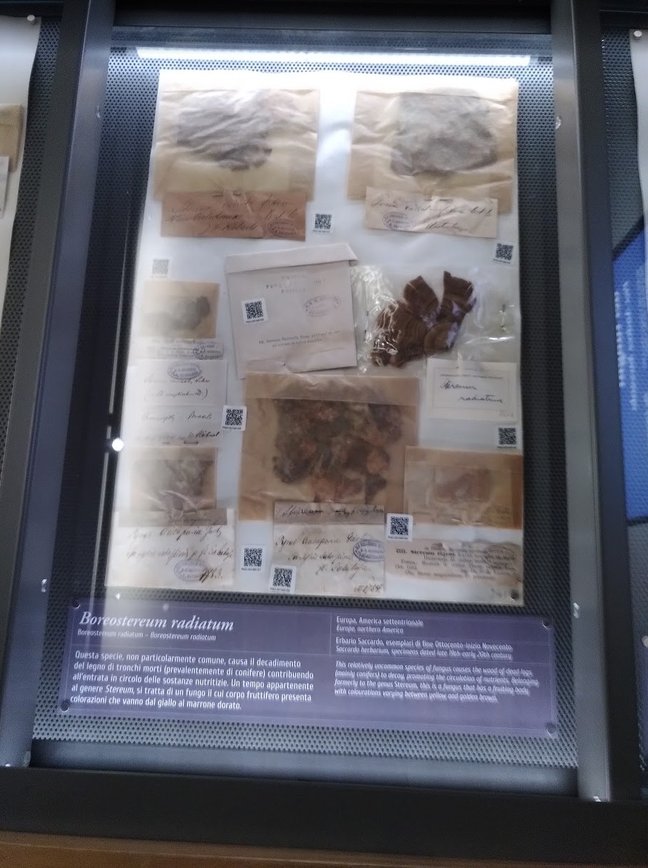
Event, visit at Padua Botanical Garden (oldest botanical garden in EU) 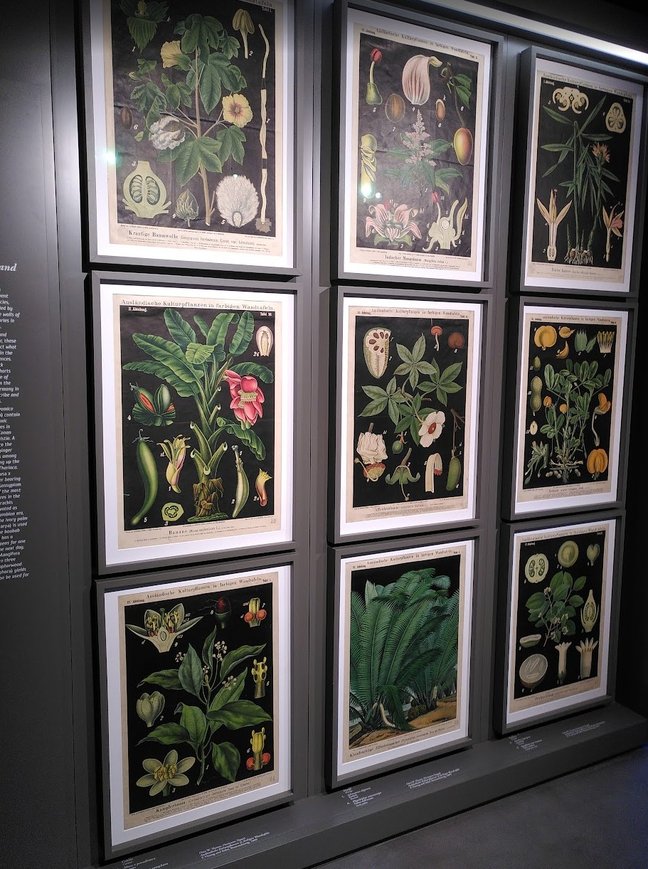
Event, visit at Padua Botanical Garden (oldest botanical garden in EU) 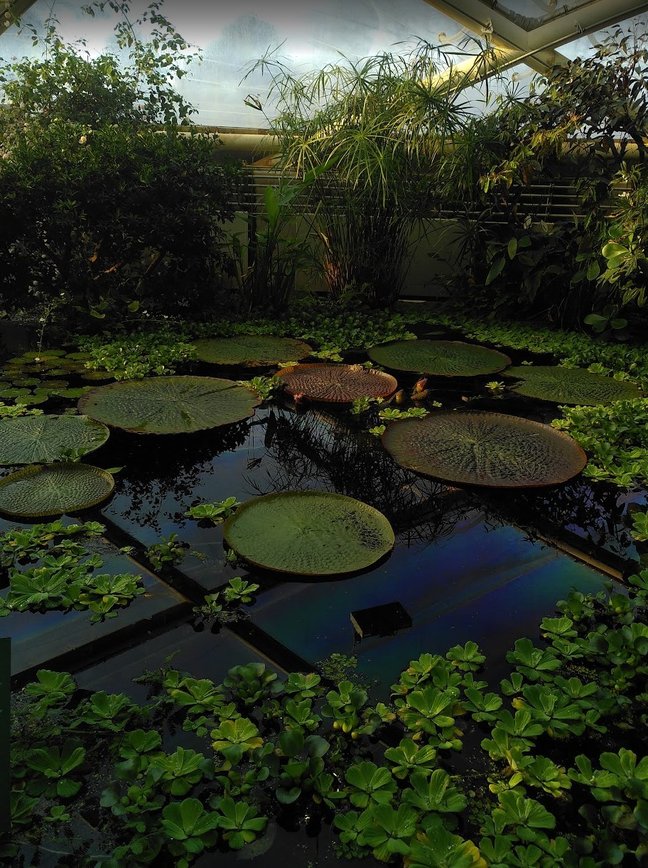
Event, visit at Aarhus Botanical Garden
Project Information
Project Type
Research
Acronym
DIGIPHYTTime Period
01/06/2024 – 31/05/2026Status
FinishedFunding Details
DIGIPHYT - Sustainability Claims in Digital Agriculture: A Qualitative Framework to Understand Sustainability Claims in Developing and Using Digital Tools to foster Sustainable Practices in AgricultureAward
FunderAmount
European Commission
1601261.28 DKK